
Is Your Toilet Valve Worth Fixing Yourself?
Changing a toilet valve is a straightforward DIY repair most homeowners can complete in under an hour. Here’s the quick version:
- Turn off the water supply valve behind the toilet (turn clockwise)
- Flush to empty the tank, then sponge out the rest
- Disconnect the supply line and unscrew the old fill valve
- Insert the new fill valve and adjust it to the correct height
- Reconnect everything, turn the water back on, and test for leaks
A running toilet is easy to ignore — until you see your water bill.
According to the EPA, a single leaking toilet can waste up to 200 gallons of water per day. That adds up fast, especially in Southern California where water costs are no joke.
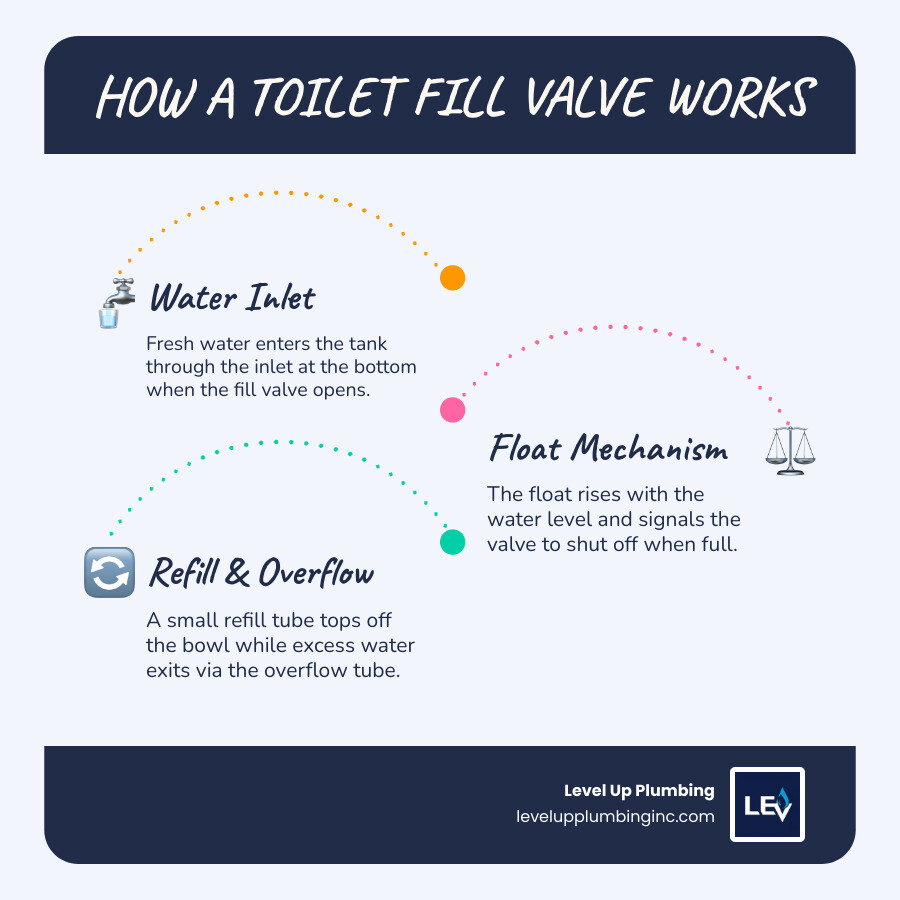
The good news? The fix is usually a worn fill valve — a small plastic part inside the tank that controls how water refills after each flush. Fill valves typically last 5 to 7 years, and replacing one costs very little in parts.
Most people are surprised by how simple this repair actually is. No soldering, no special licenses — just basic tools and about 30 to 60 minutes of your time.
This guide walks you through the full process, step by step.
Signs Your Toilet Fill Valve Needs to Be Replaced
Before you run to the hardware store, it helps to confirm that the fill valve is indeed the culprit. Toilet tanks look like a confusing maze of plastic and rubber, but they are actually quite simple. When things go wrong, the toilet usually tells you exactly what is broken through a series of distinct sounds and behaviors.
If you are experiencing any of the following symptoms, it is highly likely that changing toilet valve components is in your near future:
- The Constant Run: If you hear water trickling or running inside the tank 24/7, the fill valve is likely failing to shut off completely when the water reaches the fill line.
- The Hissing Monster: A high-pitched hissing sound coming from the tank is a classic sign of water squeaking through a worn-out internal seal inside the fill valve.
- Slow Tank Refill: If it takes ages for your toilet tank to fill back up after a flush, mineral deposits or sediment have probably clogged the valve’s small internal apertures.
- Phantom Flushing: If the toilet suddenly starts refilling itself for a few seconds out of nowhere, water is slowly escaping the tank. This is often caused by a bad flapper, but a faulty fill valve float can also contribute.
- Visible Water Trickling: When you remove the tank lid and see water constantly spilling over the top of the open overflow tube, the fill valve float is set too high or the valve itself cannot shut off.
To help pinpoint the exact issue, check out this comprehensive guide on How To Replace Your Toilet Fill Valve for additional diagnostic tips.

Why Changing Toilet Valve Parts Saves Water
It is easy to shrug off a tiny, barely audible hiss coming from your guest bathroom. However, ignoring a running toilet is like leaving a garden hose running in your backyard.
As plumbing professionals serving Orange County, CA for over 21 years, we have seen minor toilet leaks spike household water bills by hundreds of dollars. The average household loses roughly 10,000 gallons of water every single year to hidden leaks, and the primary culprit is almost always the toilet.
By taking the time to complete a changing toilet valve project, you are actively participating in water conservation. In drought-prone Southern California, saving up to 200 gallons a day per toilet makes a massive collective difference. For more insights on how household plumbing systems impact your home and the environment, read our guide on Plumbing Myths and Facts: Common Misconceptions About Plumbing.
Fill Valve vs. Flush Valve: When to Replace the Entire Assembly
When homeowners talk about “changing a toilet valve,” they are often referring to one of two distinct parts inside the tank:
- The Fill Valve: This is the tall assembly (usually on the left side of the tank) connected directly to the water supply line coming out of your bathroom wall. Its sole job is to bring water into the tank and shut off when the water reaches the correct level.
- The Flush Valve: This is the larger assembly located in the center of the tank. It features a wide open tube (the overflow tube) and holds the rubber flapper. Its job is to let water rush out of the tank and into the bowl when you push the handle.
If your toilet is running, we always recommend starting with the simplest, cheapest fixes first: replace the rubber flapper or the fill valve. But how do you know when it is time to replace the entire flush valve instead?
If you have already replaced the flapper and the fill valve, yet water continues to seep into the bowl, the plastic seat of the flush valve may be cracked, pitted, or warped. Because the flush valve is clamped directly to the bottom of the tank, replacing it requires physically separating the tank from the toilet bowl.
If your toilet is older, or if you are dealing with persistent leaks at the tank bolts, it is highly efficient to replace both the fill valve and the flush valve at the same time. You can learn more about this intermediate DIY job by reading about How to Replace a Toilet Flush Valve.
The Essential Tools and Materials for Changing Toilet Valve Projects
One of the best things about changing toilet valve assemblies is that the tool list is incredibly short. You probably already have almost everything you need sitting in a drawer or garage toolbox.
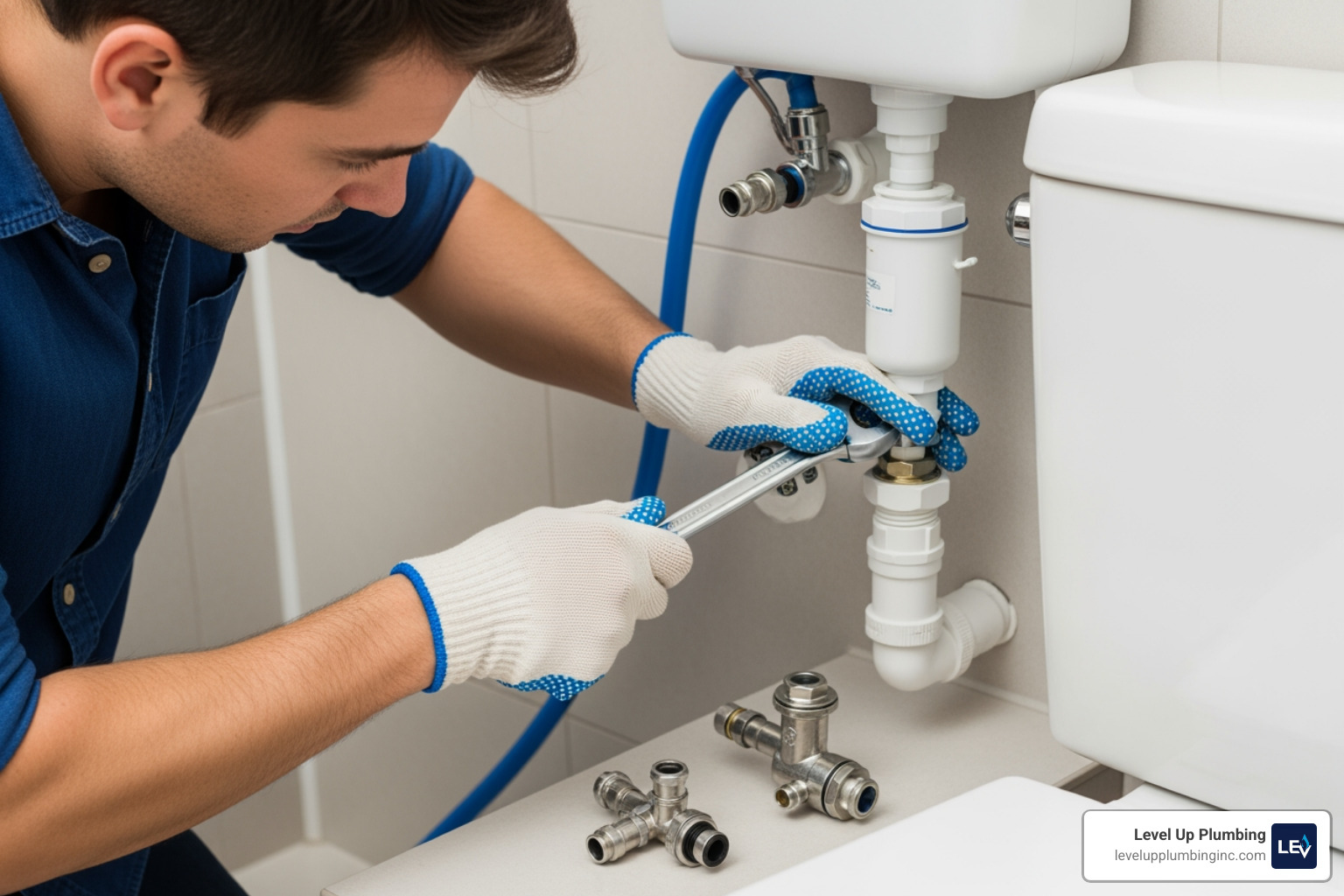
Before you begin, gather the following tools and materials:
- Adjustable Wrench or Channel-Lock Pliers: Essential for loosening the water supply line and the locknut holding the old valve to the bottom of the porcelain tank.
- A Small Bucket or Shallow Container: To catch the small amount of residual water that will drain out of the supply line and the bottom of the tank.
- Sponge and Rags: Essential for soaking up the remaining water at the bottom of the tank so it does not spill onto your bathroom floor.
- New Toilet Fill Valve Kit: We highly recommend choosing a high-quality universal fill valve (such as a Fluidmaster or similar modern float-cup style). These are adjustable, reliable, and do not rely on the outdated, bulky metal float balls.
- New Braided Metal Supply Line: If your toilet currently uses an old, rigid plastic or corrugated copper supply line, now is the perfect time to upgrade. Braided stainless steel lines are incredibly durable and significantly reduce the risk of a catastrophic leak.
- Rubber Gloves: To keep your hands clean while working inside the tank.
If you want to review a complete visual checklist of these items before heading to the home improvement store, check out the recommendations in Replacing the Flapper & Fill Valve | The Plumbing Directory.
How to Replace a Toilet Fill Valve in 5 Steps
Now that you have your tools ready and understand the parts inside your tank, it is time to get to work. Don’t worry — we will guide you through each step of the process.
Step-by-Step Guide to Changing Toilet Valve Parts
Follow these five simple steps to replace your toilet fill valve cleanly and safely:
Step 1: Shut Off the Water and Drain the Tank
Locate the oval-shaped shut-off valve on the wall behind or beneath your toilet. Turn this handle clockwise until it stops. If the valve is tight or has not been turned in years, turn it gently to avoid snapping the stem. Once off, flush the toilet and hold the handle down to drain as much water as possible.
Step 2: Remove Residual Water
Even after flushing, about an inch of water will remain at the bottom of the tank. Place your small bucket or a thick towel directly under the supply connection outside the tank. Inside the tank, use a sponge to soak up the remaining water, squeezing it out into the toilet bowl until the bottom of the tank is completely dry.
Step 3: Disconnect the Supply Line and Remove the Old Valve
Using your hands or an adjustable wrench, unscrew the coupling nut connecting the water supply line to the threaded shank of the fill valve at the bottom of the tank. Next, unscrew the plastic locknut holding the fill valve shank to the tank. Once the locknut is removed, slide the small rubber refill tube off the overflow pipe inside the tank, and lift the old fill valve straight up and out.
Step 4: Adjust and Install the New Fill Valve
Compare the height of your old valve to the new one. Most modern universal fill valves can be adjusted in height by twisting the upper body relative to the threaded shank. Adjust the new valve so that the top of its cap sits roughly 1 to 3 inches above the top of the overflow tube.
Place the brand-new rubber washer onto the threaded shank of the new valve (with the grooved or wider side facing down toward the tank bottom to create a tight seal). Insert the shank down through the hole in the tank. Spin the plastic locknut onto the shank from underneath the tank and hand-tighten it. Give it an extra quarter-turn with your pliers, but do not overdo it!
Step 5: Connect the Refill Tube and Supply Line
Attach one end of the new rubber refill tube to the small nipple near the top of the new fill valve. Attach the other end to the included plastic clip, and snap the clip onto the top edge of the overflow tube so the water will spray straight down into the tube.
Next, thread your water supply line back onto the bottom of the fill valve shank and tighten it. Turn the wall shut-off valve counterclockwise to restore the water flow. Watch the tank fill up, adjust the float dial if the water level does not align with the printed “fill line” on the tank wall, and check carefully for any drips around the new connections.
To see a detailed breakdown of this process with additional pro tips, check out this comprehensive guide on How to Change Toilet Water Valve: A Complete DIY Guide.
Common Mistakes to Avoid During Installation
While changing toilet valve assemblies is a highly approachable DIY task, there are a few common pitfalls that can turn a quick fix into a messy headache:
- Overtightening the Plastic Nuts: Porcelain is strong, but it is also brittle. If you use heavy-duty wrenches to crank down on the plastic mounting nut or the supply line connection, you risk stripping the plastic threads or, worse, cracking your toilet tank. Hand-tighten first, then use pliers for a gentle snug fit.
- Forgetting the Rubber Washer: The rubber cone washer that sits on the valve shank inside the tank is what actually stops water from leaking out of the bottom hole. Installing the valve without this washer — or putting it on upside down — will cause an immediate puddle on your bathroom floor.
- Setting the Valve Height Incorrectly: If the fill valve is set too low, the tank won’t fill up enough for a strong flush. If it is set too high, the top of the valve might prevent the heavy porcelain tank lid from sitting flat, or water will constantly run down the overflow tube.
- Kinking the Refill Tube: The small rubber hose running from the fill valve to the overflow pipe needs a clean, gentle arch. If it is kinked or pinned against the side of the tank, water won’t flow properly, resulting in a weak flush and a noisy fill cycle.
If you are tackling other water-related updates around your home, you might also find our guides on DIY Faucet Install and DIY Drain Cleaning helpful for avoiding common homeowner mistakes.
Frequently Asked Questions about Toilet Valves
How long does a toilet fill valve last and what is the replacement cost?
On average, a residential toilet fill valve has a lifespan of 5 to 7 years. This timeline can shorten significantly if your home has hard water or if you frequently use chemical drop-in chlorine tablets in your toilet tank.
If you choose to tackle this project yourself, a universal fill valve kit typically costs very little at any local hardware store. The entire DIY project generally takes between 30 and 60 minutes, making it one of the most cost-effective and high-return home maintenance tasks you can perform.
For those who want to compare the process of replacing a fill valve versus tackling a full flush valve overhaul, check out the detailed steps in this How to Replace Toilet Flush Valve: Pro Guide.
What maintenance tips can extend the life of a new fill valve?
To keep your newly installed fill valve operating smoothly for as long as possible, keep these professional maintenance tips in mind:
- Avoid Drop-In Bleach Tablets: While those bright blue chemical tablets keep your bowl smelling fresh, the harsh chemicals constantly sit in the tank water. Over time, these chemicals eat away at the rubber seals and plastic components of your fill and flush valves, causing them to fail prematurely.
- Flush Out Sediment: If you live in an area with high mineral content, sediment can build up under the valve’s top cap. Every couple of years, you can pop off the top cover of the fill valve, hold a cup over the open valve, and turn the water supply on briefly to flush out any trapped debris.
- Install a Whole-Home Water Filtration System: Reducing the mineral load and sediment entering your home’s pipes protects all of your plumbing fixtures, including your toilet valves, water heaters, and faucets.
When should I call a professional plumber instead of attempting a DIY fix?
While we love empowering homeowners to take care of their properties, plumbing can occasionally throw unexpected curveballs. You should put down the wrench and call in a licensed professional if you encounter any of the following situations:
- The Shut-Off Valve is Stuck or Leaking: If the oval valve on the wall won’t budge, or if it begins dripping water when you try to turn it, do not force it. A broken shut-off valve can quickly cause a major indoor flood.
- Cracked Porcelain: If you notice a hairline crack in the toilet tank or bowl while working, the toilet is no longer structurally sound and must be replaced immediately.
- The Tank Bolts are Severely Corroded: If you need to replace the entire flush valve and the bolts holding the tank to the bowl are completely rusted solid, trying to force them off can easily break the porcelain.
- Persistent Leaks After Installation: If you have installed the new valve and tightened it correctly, but water continues to seep out from the bottom of the tank, there may be an underlying issue with the tank’s structural integrity.
When these challenges arise, safety and peace of mind should always come first. To learn more about when it is wisest to hand the job over to the experts, read our guide on When in Doubt, Call a Plumber.
Conclusion
Changing a toilet valve is a highly rewarding, water-saving DIY project that almost any homeowner can tackle with just a few basic tools. By taking control of a running toilet, you protect your home from potential water damage, restore peace and quiet to your bathroom, and save thousands of gallons of water every single year.
However, if you run into a stuck wall valve, discover a cracked tank, or simply prefer to have an expert handle the job with guaranteed results, we are always here to help.
Level Up Plumbing is a proud, woman-owned plumbing company with over 21 years of local expertise in Orange County, CA. We serve homeowners throughout Huntington Beach, Cypress, and Garden Grove with award-winning customer service and reliable, professional plumbing solutions.
Whether you need a quick toilet repair, a fixture upgrade, or help locating a stubborn leak, our licensed team is just a phone call away. If you live in the area and need a hand, visit our Level Up Plumbing Huntington Beach page to schedule your service today!