
Fast Kitchen Sink Unclogging in Huntington Park: What to Expect
When you call us for professional kitchen sink unclogging in Huntington Park, we bring specialized tools and localized expertise straight to your home. A kitchen drain system involves a series of tight turns, connected garbage disposals, and extended pipe runs that require a systematic diagnostic process.
First, we perform thorough drain diagnostics to locate the exact position and nature of the blockage. We inspect the P-trap directly beneath your sink, evaluate the branch line, and check main cleanout access points if necessary.
To clear severe blockages, we utilize professional tools designed for deep pipe reach:
- Professional Drain Snakes (Augers): Our motorized drain cables feature continuous high-torque rotation, reaching blockages located 25 to 100 feet deep into your drain lines. These tools cut through stubborn obstructions that basic household plumbers’ snakes simply cannot touch.
- Hydro-Jetting Equipment: For thick, grease-heavy blockages, we employ hydro-jetting systems that blast water at high pressure—ranging from 1,500 to 4,000 PSI. This process completely scours the interior pipe walls, washing away years of accumulated sludge rather than just poking a temporary hole through it.
Whether you need targeted line clearing or comprehensive drain clearing orange county services, professional mechanical cleaning restores full pipe capacity safely.
Common Causes of Kitchen Sink Blockages
Understanding why kitchen pipes clog helps prevent recurring plumbing emergencies:
- Grease and FOG (Fats, Oils, and Grease): Warm liquid fat poured down the sink cools rapidly once inside your household pipes. It hardens along the lower interior walls, grabbing passing food debris and slowly strangling your drainage line.
- Food Scraps and Starchy Debris: Rice, pasta, coffee grounds, and fibrous vegetable trimmings (like celery or potato skins) swell in water or bind into thick paste matrixes that quickly jam garbage disposals and drain lines.
- Hard Water Mineral Deposits: Southern California water is notorious for high dissolved mineral content. Over time, calcium and magnesium from hard water accumulate along pipe walls, narrowing internal dimensions and creating rough surfaces where waste easily hitches a ride.
- P-Trap Buildup: The curved P-trap under your sink maintains a water seal to block sewer gases. However, its low point naturally collects heavy debris, soap scum, and dense organic sludge over time.
Professional Kitchen Sink Unclogging in Huntington Park Costs and Factors
The overall cost to unclog a kitchen sink depends heavily on the severity of the obstruction, its physical location within your plumbing system, and the tools required to clear it safely. Simple P-trap clearings require less labor, whereas deep mainline obstructions requiring high-pressure jetting take more time and specialized machinery.
Timing also plays a role. Standard weekday appointments are standard, but late-night or weekend emergency service calls often incur premium rates—sometimes 50% to 100% higher than normal business hours—due to rapid-response dispatching. Additionally, if an unaddressed clog causes structural pipe damage or corroded fittings, secondary repairs can add to your final total.
Many homeowners choose routine maintenance coverage plans to manage expenses proactive. Annual maintenance plans usually cost between $150 to $300 per year, providing regular professional drain clearings that help homeowners avoid $300 to $500 emergency service calls down the line.
| Service Approach | Primary Method Used | Blockage Reach | Prevents Recurring Clogs? |
|---|---|---|---|
| DIY Plunging / Chemical Cleaners | Manual pressure / Acid dissolve | 1 to 3 feet | No (Clogs reform in 2–4 weeks) |
| DIY Household Auger | Manual flexible cable | 10 to 15 feet | Rare (Only pierces soft centers) |
| Professional Snaking | Motorized high-torque cable | 25 to 100 feet | Yes (Clears physical blockages) |
| Professional Hydro-Jetting | 1,500–4,000 PSI Water Stream | Full pipe run | Yes (Restores pipe to like-new diameter) |
When to Call a Professional Plumber vs. DIY Drain Clearing
While minor sink sluggishness can occasionally be nudged along with simple household steps, severe or stubborn clogs require professional tools. Knowing the limits of standard DIY equipment saves you time, frustration, and costly pipe repairs.
A standard household cup plunger exerts limited pressure. Plunging works reasonably well if a soft obstruction sits right at the top of the drain neck or inside the upper bend of the P-trap. However, if the blockage rests deep within the wall line, plunging merely bounces water back and forth without dislodging the mass.
Similarly, consumer-grade hand augers sold at hardware stores usually feature short, light-duty cables. They lack the length and motor power needed to travel past multiple 90-degree elbows or scrub dense grease deposits off pipe walls. Attempting to force small augers through tough blockages often kinks the cable inside the line or punctures delicate hidden drain fittings.
Licensed plumbers possess commercial-grade diagnostic gear and protective equipment to clear lines cleanly while ensuring structural pipe protection throughout the process.
Why DIY Kitchen Sink Unclogging in Huntington Park Can Backfire
Attempting aggressive DIY remedies often turns a basic drain blockage into a complex plumbing emergency.
Chemical drain cleaners pose serious safety hazards. These liquids contain harsh caustic chemical compounds—such as sodium hydroxide or sulfuric acid—designed to generate heat and melt organic material. When poured into a completely blocked sink with standing water, these chemicals sit trapped inside your pipes, creating a toxic pool that can burn skin or splash eyes.
Furthermore, harsh chemicals generate intense chemical heat reactions that soften plastic PVC pipes, corrode old galvanized steel, and degrade rubber seals under the sink. This corrosive damage leads to structural failure, leaving homeowners facing emergency repairs for broken joints. If your DIY efforts have already caused leaks, knowing how to fix a leaking drain pipe joint fast can temporarily minimize water damage until a technician arrives.
Safely Handling Severely Blocked Drain Lines
If your sink is completely backed up, stop running water and turn off your garbage disposal immediately. Try non-destructive natural solutions first before attempting heavy manual labor:
- Pour 1/2 cup of baking soda into the drain opening.
- Follow immediately with 1 cup of plain white distilled vinegar.
- Allow the natural foaming action to react for 15 to 20 minutes to break down mild organic oils.
- Flush thoroughly with 1 gallon of near-boiling water (use hot tap water if you have PVC pipes to avoid heat warping).
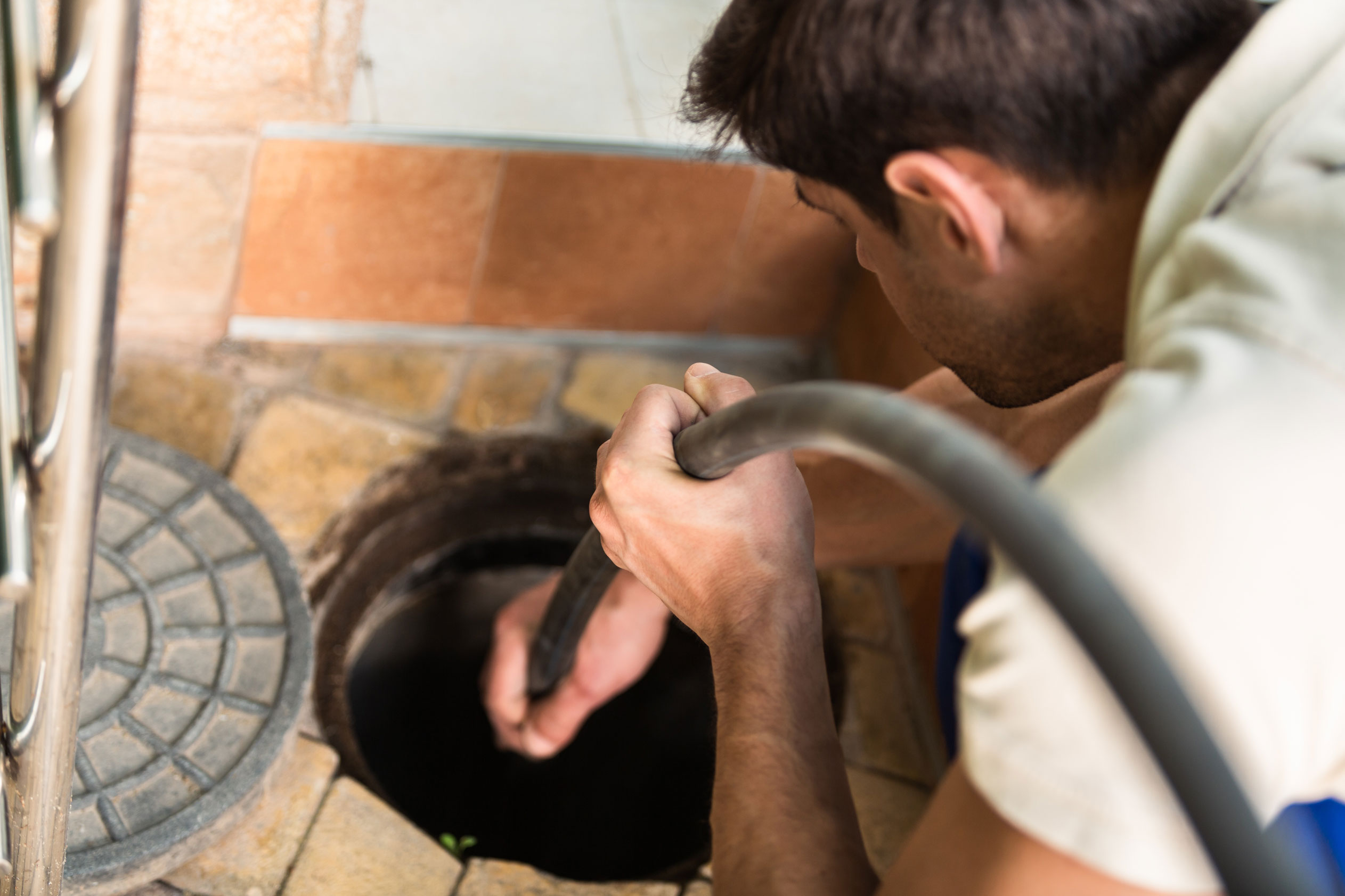
If standing water remains or backs up into neighboring fixtures, the obstruction sits past your trap inside the branch drain line. In these scenarios, a plumber will locate your main drain cleanout to access the internal system directly without damaging your indoor kitchen fixtures. If you are unfamiliar with cleanouts, reading up on what is a cleanout explains how these access portals function.
Preventative Maintenance to Prevent Future Drain Clogs
Proactive drain care is far cheaper and far less stressful than scheduling emergency clearing services. By making a few small adjustments to your daily kitchen routine, you can keep water flowing freely year-round.
- Install High-Quality Mesh Strainers: Place fine mesh basket strainers over all kitchen sink drain openings. Mesh strainers catch small food particles larger than 1/8 inch in diameter, such as raw rice grains, coffee grounds, and loose herbs, before they enter your plumbing.

- Practice Proper Grease Disposal: Never pour liquid cooking oils, bacon grease, pan drippings, or butter down your drain. Instead, allow fats to cool completely inside a metal tin or glass jar, then discard the solid waste straight into the trash.
- Routine Flushing: Flush your kitchen sink daily with hot tap water for 30 seconds after washing dishes to carry away soft oily film.
- Monthly Organic Cleansing: Perform a monthly baking soda and vinegar flush followed by hot water to prevent minor biological film from accumulating.
- Garbage Disposal Discipline: Run cold water continuously while operating your garbage disposal, and avoid grinding fibrous trimmings like celery, artichokes, corn husks, or heavy onion skins.
Review our complete list of drain preventative maintenance tips for more practical guidance on protecting your home’s pipes.
Frequently Asked Questions About Kitchen Sink Unclogging
Does homeowners insurance cover kitchen sink unclogging?
Generally, no. Standard homeowners insurance policies exclude coverage for kitchen sink unclogging because drain blockages are classified as routine home maintenance issues and gradual pipe deterioration.
However, if an sudden, accidental line break or catastrophic drain failure causes sudden water damage to your kitchen cabinets or flooring, insurance may help cover the secondary water damage restoration, even if clearing the initial pipe clog itself remains the homeowner’s out-of-pocket responsibility.
Why should you avoid chemical drain cleaners?
Chemical drain cleaners rely on severe chemical reactions to generate heat inside your plumbing lines. While they may melt a small hole through soft organic matter, they leave hardened grease coatings stuck firmly to pipe walls. As a result, blockages typically reform within just 2 to 4 weeks.
More importantly, chemical cleaners pose severe risks:
- They erode metallic drain connections and galvanized steel lines.
- They generate heat that warps or cracks plastic PVC pipes.
- They create toxic fumes inside small kitchen spaces.
- They create dangerous conditions for plumbers who must handle toxic water if mechanical snaking is required afterward.
How long does professional kitchen sink unclogging take?
Most professional kitchen sink unclogging appointments take between 30 minutes to 2 hours from arrival to completion.
A standard line clearing using a motorized drain cable typically takes about 30 to 45 minutes. If your system requires advanced video camera diagnostics, cleanout access setup, or heavy hydro-jetting to scour deep grease layers, service times usually range closer to 1.5 to 2 hours.
Conclusion
A blocked kitchen sink halts your daily routine fast, but getting it cleared doesn’t have to be a headache. Understanding the causes of drain blockages—and avoiding risky quick-fixes like chemical cleaners—keeps your plumbing system healthy and reliable over the long run.
When home remedies fail, trust our team at Level Up Plumbing. As a local, woman-owned business with over 21 years of experience, we bring award-winning service and proven expertise to every job across Orange County and surrounding areas. Contact us today through our contact page or explore our professional plumbing services in Huntington Beach to get your kitchen running smoothly again!